Article Highlights
- Apple Pay represents the shift from physical magnetic stripes to “Tokenized Neural Logic” in the global financial ecosystem.
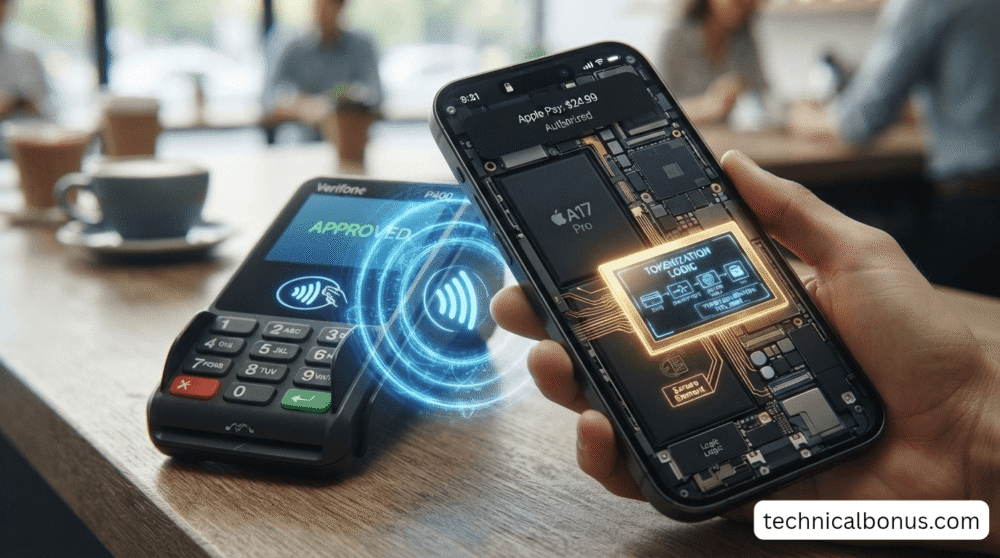
- The core architecture of [Apple Pay Security] is centered on the Secure Element (SE) chip, which ensures that raw card data never leaves the 2nm hardware.
- My foundational hardware era taught me that physical contact itself is a vulnerability — and that secure, digital contactless logic is the definitive solution.
- We look at how Cybersecurity Strategy 2026 makes every biometric Tap-to-Pay transaction safe and secure.
- This guide provides a simple, strategic roadmap for managing your Future Technical Digital Assets 2027 securely through mobile gateways.
Introduction
Moving to Apple Pay is a core part of my 2026 Technical Bonus Roadmap. It changes how we protect digital money. In my early career, I worked on 128MB RAM systems where security was only physical. Now, biometrics has changed it all.
That is why anyone building an Ultimate Technical Home Office Setup for 2026 needs to understand this contactless system. This is my 167th article, and the digital wallet is now the global standard.
Table of Contents (TOC)
1. Tokenization Logic: Why Apple Pay is More Secure Than Cards
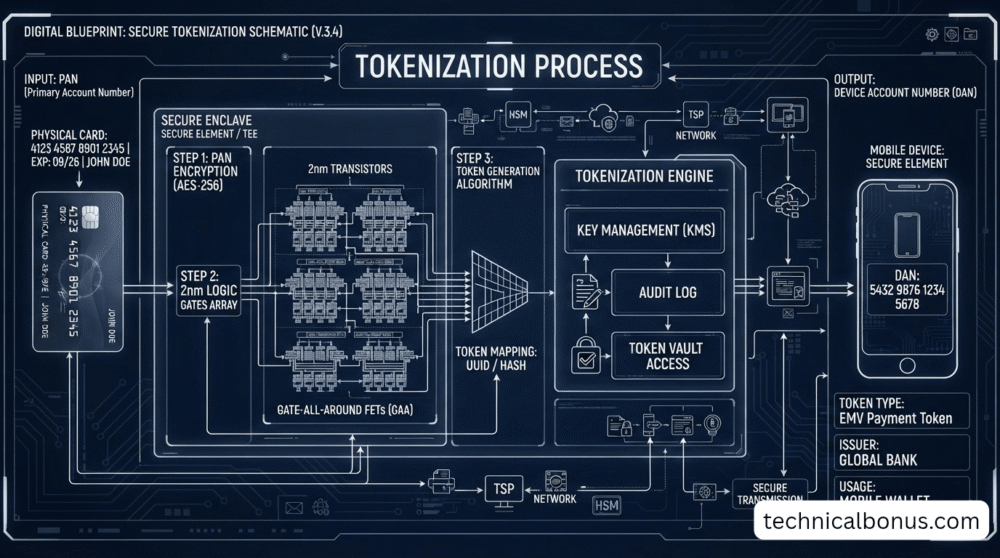
The best part of Apple Pay is that it never saves your real card number on your device or on Apple servers. Instead, it uses a Device Account Number. From my 20 years of experience, data masking is the best way to prevent theft. When you pay, the Secure Element makes a one-time code for that payment.
This is like Private AI Home Server vs Public AI Cloud — your private data stays local, and only a token is shared with the shop. This is a big improvement over old Physical Card Vulnerabilities.
2. Biometric Validation: The Hardware Logic of FaceID and TouchID
When you look at how Apple Pay works, the hardware is the final judge. Before the NFC payment starts, the Neural Engine on your 2nm Processor checks your identity with Face ID or Touch ID. This stops unauthorized access, which is a common problem with stolen physical wallets.
As we move into the Apple Vision Pro 2 era, this same biometric check will become Optic ID, so you can pay for digital items in virtual space. Using biometrics is a smart diagnostic step to protect your Future Technical Digital Assets 2027.
3. Comparison Table: Apple Pay vs. Traditional Payment Logic
| Technical Logic | Apple Pay (Tokenized) | Physical Card (Magstripe) |
|---|---|---|
| Data Storage | Device Account Number (Token) | Raw Card Number (Static) |
| Validation Logic | Biometric (Face/Touch ID) | None or Signature (Low Logic) |
| Privacy Reach | Merchant sees no card data | Merchant sees all card data |
4. Q&A: Apple Pay Technical FAQ
Q1: Does Apple Pay still work and allow you to make a payment when you do not have an active internet connection available?
A: Yes. This is possible because the tokenization logic is safely stored inside the “Secure Element” hardware chip on your device, which means you can still use tap-to-pay to make a payment even when you are in “Offline Logic” mode.
Q2: Is it possible for me to use Apple Pay on my Secure NPU Workstation to make payments?
A: Yes, it is possible through the Safari web browser and with a connected iPhone or Apple Watch, so that the payment logic can be extended to work smoothly in your professional desktop environment.
Q3: What happens if I lose my phone with Apple Pay?
A: Through the “Find My” logic system, you have the ability to remotely suspend and stop your Device Account Number from a distance. Since no actual raw card data is ever stored directly on the phone itself, this payment logic is much safer and more secure than carrying a lost physical wallet.
5. Technical Verdict: The Apple Pay Final Logic
Based on over 21 years of hands-on experience in performing architectural audits and detailed technical troubleshooting, my final verdict and professional opinion regarding mobile payments is:
- The Professional and Expert Choice: You should adopt and start using the Apple Pay logic for all of your daily transactions. It is the only and single way to achieve true “Zero-Knowledge” security and protection in the era of 2027.
- The Legacy Choice: You should keep and carry a physical card only as a “Backup Logic” or as a secondary option for those regions that have not yet upgraded to the new 6G Technology Explained or to a proper NFC-enabled payment infrastructure.
Conclusion: The Legend of Secure Logic
To conclude and summarize, the Apple Pay transition clearly proves that the early hardware era’s complete focus on physical security has now finally reached its digital peak level. We have successfully moved forward from traditional leather wallets to modern “Neural Enclaves.”
By carefully selecting and choosing the payment logic that perfectly matches your 2027 Technical Framework, you ensure that your personal financial architecture remains a high-speed, highly secure, and valuable asset. For more detailed information on Silicon Photonics vs Copper and the future of data transfer technology, please keep following Technical Bonus to get your “Expert Bonus.”
Disclaimer
The detailed analysis and information that is published on Technical Bonus is based on completely independent technical architecture audits and on more than 21 years of extensive hardware experience. Your own specific local configuration and your personal software requirements may be different and may vary based on your regional settings and location. Always make sure to carefully review and check all the technical specifications prior to making any major purchase.
